Martial Arts
Martial Arts
Last updated: April 1, 2021
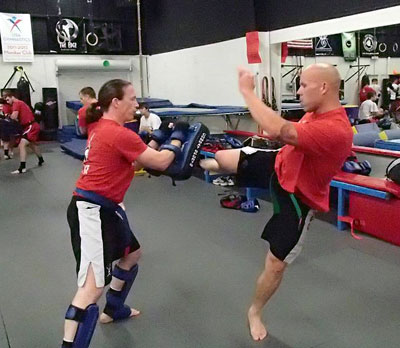
Besides a healthy diet, these days I concentrate mostly on strength and conditioning using kettlebells and bodyweight exercises. I also like to do martial arts.
Here are a few of my published fitness and martial arts articles:
- "6 Life-Changing Ways Your Black Belt Journey Can Transform You," Kendall Giles, Breaking Muscle, October 2014.
- "Bartitsu: The Steampunk Mixed Martial Art," Kendall Giles, Breaking Muscle, October 2012. Ranked #4 in most popular martial arts articles at Breaking Muscle for 2012.
- "What Color Is Your Dojo?," Kendall Giles, Breaking Muscle, July 2012.
- "Parting Thoughts," Kendall Giles, InYo: The Journal of Alternative Perspectives on the Martial Arts and Sciences, January 2012.
I’ve also made a few posts about kettlebells and fitness so far, so you may want to search through my site, but here are a few key ones to get you started:
- How to Get Started with Kettlebells
- Royce Gracie Seminar: Growth from stepping out of your comfort zone
- An Inexpensive Complete Home Gym
- Heart: First Look at the Black Belt Test
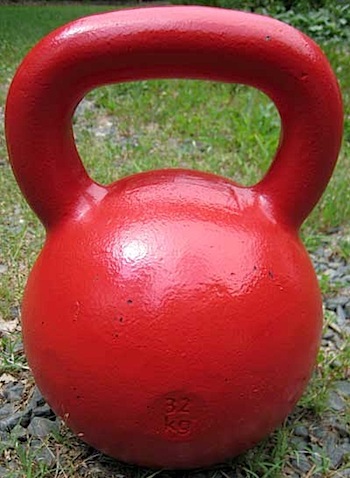
Here’s a discussion of the best footwear for all the types of exercises I do (running, kettlebells, TRX, bodyweight):
Here’s a discussion of how you can exercise while on travel:
Here's a great versatile and easy to use timer for your workouts: Some people ask me about running. Well, here's how I learned how to run: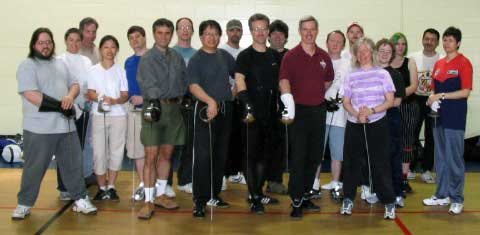
PHOTO: Dueling saber group photo, 2004. In the front row are Tom Leoni, Larry Tom, Sean Hayes, and Bob Charron.
Martial Arts
Many people today are uncentered in their lives - are out of shape, stressed out, and/or lack a sense of where they fit within the universe. While certainly not a universal remedy, many find martial arts training helpful in achieving this balance between the physical, the mental, and the spiritual.
Where I live I have the benefit of a variety of Western as well as Eastern martial arts to choose from. Here are some groups that I can recommend:
- MMA, Muay Thai, Gracie Jiu-Jitsu: The Edge Martial Arts and Tumbling
- EMA: Shindo Muso Ryu at Capital Area Budokai
- EMA: Capital Area Budokai
- WMA: Salle Green
- WMA: MASHS
- WMA: Order of the Seven Hearts
PHOTO: My back is to the camera, but here I'm trying an attack against Larry Tom during the dueling saber workshop.
Also, here’s how to make a pell.
Martial Arts Research
There is a lot of research being done in martial arts to try to understand the ancient martial arts texts that exist, both in the Eastern as well as the Western martial arts traditions. But it is often very difficult to understand exactly what the original author wrote hundreds of years ago - exactly how to perform the techniques and movements described in the text. Moreover, it is often unclear in what context the techniques or movements were meant to be used. As a result, there is a lot of politics among today’s martial arts practitioners, both in the East and in the West, about which technique is the “correct” technique and who has a better interpretation of that technique.
Proper research into these ancient martial arts texts can help resolve some of these differences. Researching martial arts techniques is not just flipping through some old books and playing with the techniques in the air. Proper martial arts research utilizes research methodologies found in other research areas, such as ethnography research, social sciences, history, and information systems. For more information on this topic, and as an addition to the growing literature on martial arts research, please see my paper, "Understanding Ancient Martial Arts Texts: Pooh and Hermeneutics", published in InYo: The Journal of AlternativePerspectives on the Martial Arts and Sciences, December, 2000.
Note: this article has been reprinted! Check out the new introduction, along with the rest of the Summer 2011 issue of InYo: “Understanding Ancient Martial Arts Texts: Pooh and Hermeneutics,” Kendall Giles, InYo: The Journal of Alternative Perspectives on the Martial Arts and Sciences, Reprint, July, 2011.
"a fascinating article by Kendall Giles on applying the philosophy and methodolgy of hermeneutics to analysing historical combat texts"–Historical European Martial Arts